Thermal Risk Information
Understanding thermal hazards and EN 407 standards helps you select the right level of heat protection for your specific application.
Types of Thermal Risks
EN 407 identifies three primary types of thermal hazards that workers may encounter. Understanding these risks is essential for selecting appropriate hand protection.
EN 407 Testing Standards
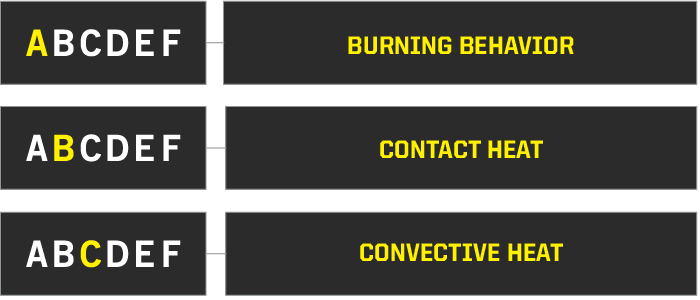
EN 407 is the European standard for protective gloves against thermal risks (heat and/or fire). The standard evaluates glove performance across six different thermal hazards.
Each thermal risk is rated on a scale from 0 to 4, with 4 representing the highest level of protection. The six-digit code on the glove indicates performance levels for each test.
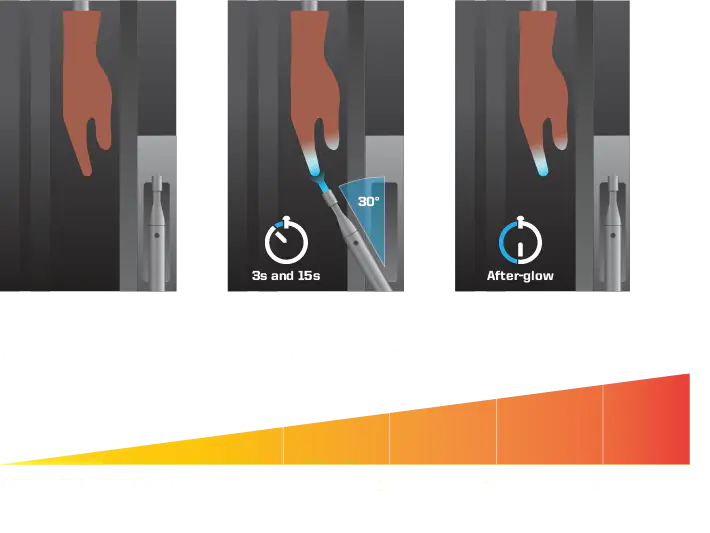
The three most common thermal risks are burning behavior, contact heat, and convective heat. Understanding these ratings helps you select appropriate protection for your specific thermal hazards.
Contact Heat Protection
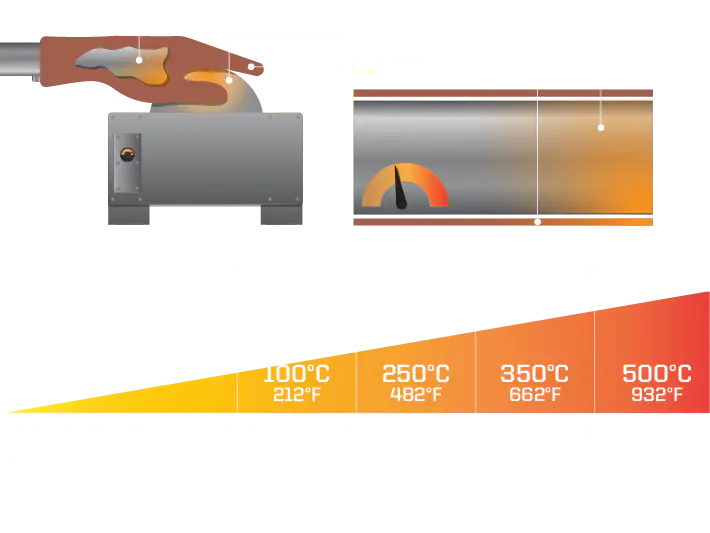
Contact heat testing measures the glove's ability to protect against direct contact with hot surfaces. The test determines the temperature threshold at which the glove provides protection.
Convective Heat Protection
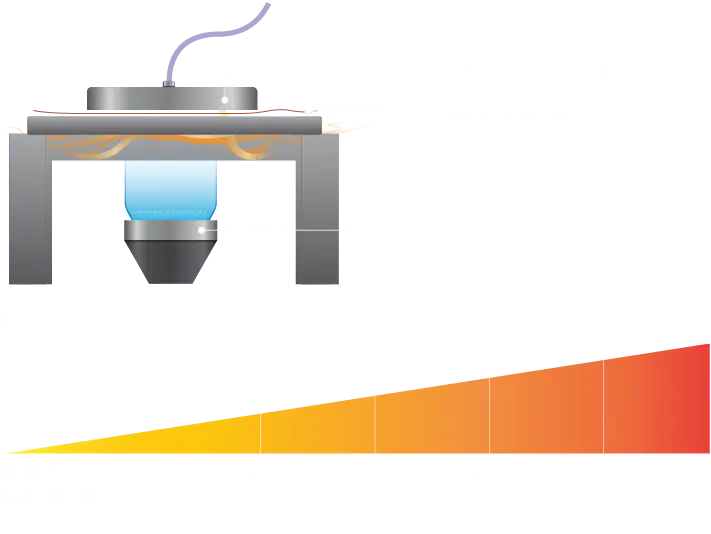
Convective heat testing evaluates the glove's resistance to heat transfer through air or gas movement, such as hot air from ovens or furnaces.
Radiant Heat Protection
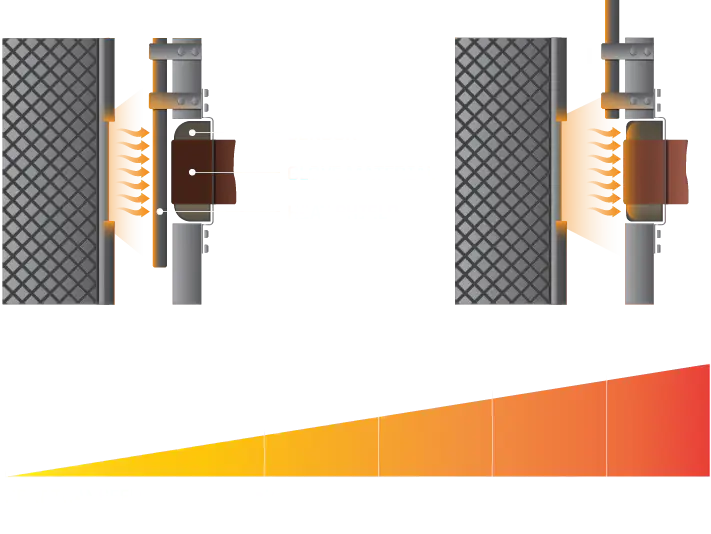
Radiant heat testing measures the glove's ability to protect against heat transmitted through electromagnetic waves, such as heat from molten metal or open flames.
Common Applications
Welding & Metalwork
High contact and radiant heat
- • Arc welding operations
- • Metal fabrication
- • Foundry work
- • Hot metal handling
Glass & Ceramics
Extreme contact heat
- • Glass manufacturing
- • Kiln operations
- • Ceramic production
- • Hot glass handling
Food Service
Moderate contact heat
- • Commercial kitchens
- • Oven operations
- • Hot food handling
- • Baking operations
How to Choose Heat-Resistant Gloves
Consider These Factors:
- 1.Identify the type of thermal hazard (contact, convective, or radiant)
- 2.Determine the temperature range you'll be working with
- 3.Consider the duration of heat exposure
- 4.Balance thermal protection with dexterity needs
Important Notes:
- •Higher protection levels typically reduce flexibility
- •Ensure gloves are properly sized for maximum protection
- •Inspect gloves regularly for damage or wear
- •Replace gloves immediately if thermal protection is compromised
Need Help Selecting Heat-Resistant Gloves?
Our experts can help you choose the right thermal protection for your specific application and temperature requirements.